1821
Santo Domingo wins independence from Spain.
Santo Domingo wins independence from Spain.
The newly-formed Independent State of Spanish Haiti is annexed by the Republic of Haiti.
Foreign Secretary, George Canning, introduces a series of provisions calling for the 'amelioration' of the condition of enslaved people.
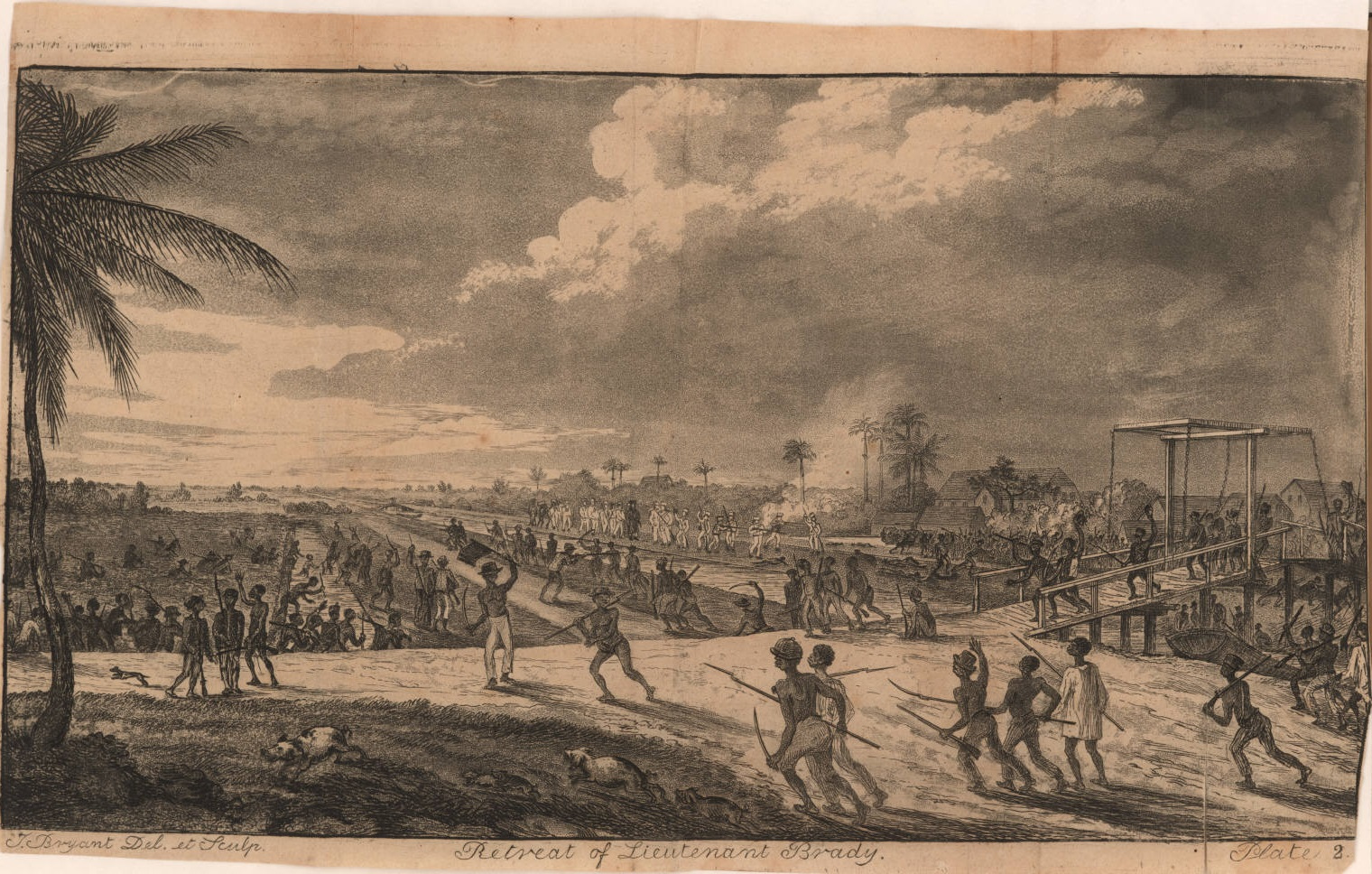
An uprising of more than 10,000 enslaved people takes place in Demerara-Essequibo, led by a man named Jack Gladstone and his father, Quamina.
An Order in Council introduces provisions for improving the condition of enslaved people in Trinidad.
Two free Black men, Louis Celeste Lecesne and John Escoffery, are deported from Jamaica, possibly due to their links with the abolitionist movement. Making it to England, their case is taken up by abolitionist Stephen Lushington.
Anguilla is placed under the administrative control of St Christopher (St Kitts).
France formally recognises Haitian independence.
The second worldwide cholera pandemic breaks out.
Anguilla suffers through droughts and famines; Britain attempts to move the entire population to Demerara in British Guiana, though most choose to remain.
A group of enslaved people in Exuma island, led by a man named Pompey, steal a boat from their enslaver and attempt to sail to Nassau with the aim of petitioning the governor to prevent their transfer to Cat Island.
Around 60,000 enslaved people in Jamaica, led by a man named Samuel Sharpe, rebel shortly after Christmas. The largest slave rebellion in the British Caribbean, fighting lasted several months as rebels used guerilla tactics in Jamaica's mountainous interior.
The legislative assembly of Dominica passes the Brown Privilege Bill, conferring political and social rights on free non-whites.
Berbice, Demerara and Essequibo are unified as British Guiana.
Coffee takes over as the major export from Dominica.
The Windward Islands Colony are established, which is the administrative grouping of Grenada, St Vincent, the Grenadines, Barbados, and Tobago, with the Governor of Barbados as governor-in-chief.
Antigua, Barbuda, Montserrat, St Christopher (St Kitts), Nevis, Anguilla, the Virgin Islands and Dominica are grouped together under one administrative group known as the Leeward Island Colony, with the Governor of Antigua as governor-in-chief.
Parliament passes a bill to abolish slavery in the British Empire.
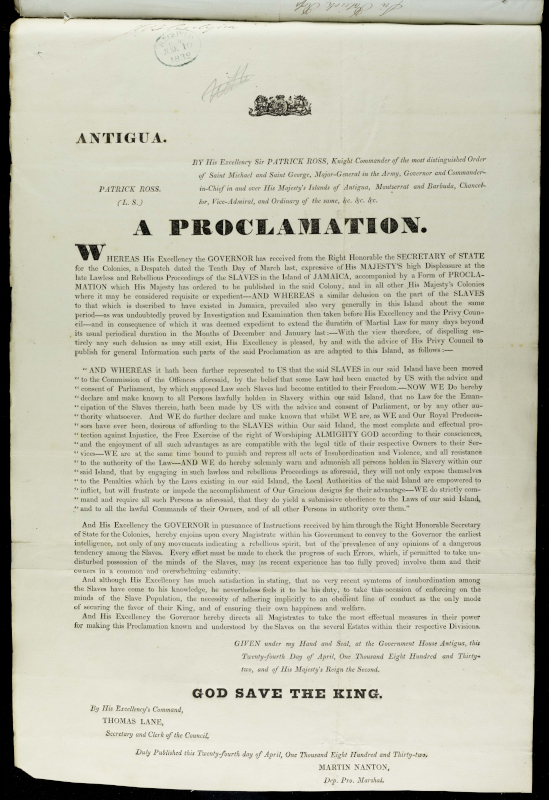
The Emancipation Act comes into force, officially ending slavery in most of the British Empire. However, formerly enslaved people in the Caribbean are forced to continue working for their former enslavers under the system of 'apprenticeship'.
Approximately 13,000 apprentices on St Kitts hold a strike against the new system of apprenticeship, under which they could be forced to work up to 45.5 hours per week with little or no pay.
Spain signs the Equipment Clause. Under this clause, Britain declared any ship which carried items from a specified list of equipment would be considered a slaving ship even when no enslaved persons were aboard.
James Williams, an eighteen-year-old apprentice from Jamaica, produces an autobiographical work, A Narrative of Events, since the First of August, 1834, in which he describes the harsh working conditions on plantations and the cruel punishments that he and other apprentices were subjected to.
The Aborigines' Protection Society is founded. This organisation campaigned for equal rights for Indigenous people who were subjects under colonial rule, though this did not include protection of Indigenous cultures.
A mutiny breaks out in Saint Joseph, Trinidad, at the barracks of the First West India Regiment, a unit formed from soldiers of African descent. Led by a man named Dâaga, a group of mutineers clashed with the local militia at the town of Arima. Dâaga was executed by firing squad, but his name remains a symbol of Black resistance in Trinidad
The Slave Compensation Act 1837 is signed into British Law. It authorised the Commissioners for the Reduction of the National Debt to compensate slaveholders throughout the British colonies for the loss of their 'property'. Over £20 million was paid to slaveholders as 'compensation'.
St Lucia is incorporated into the British Windward Islands administration.
The apprenticeship system is brought to an end, granting full freedom to all 'praedial' apprentices two years earlier than scheduled. The system, criticised by former slaveholders, antislavery activists and apprentices themselves, was largely considered a failure.
British anti-slavery activists such as Joseph Sturge turn their attention to the wider world, forming the British and Foreign Anti-Slavery Society.
Portugal signs the Equipment Clause.
The American slaving ship Hermosa is shipwrecked in the Abaco Islands in the northern Bahamas. Due to the Bahamas being under British rule and had abolished slavery across the empire, the enslaved people aboard are freed on arrival.
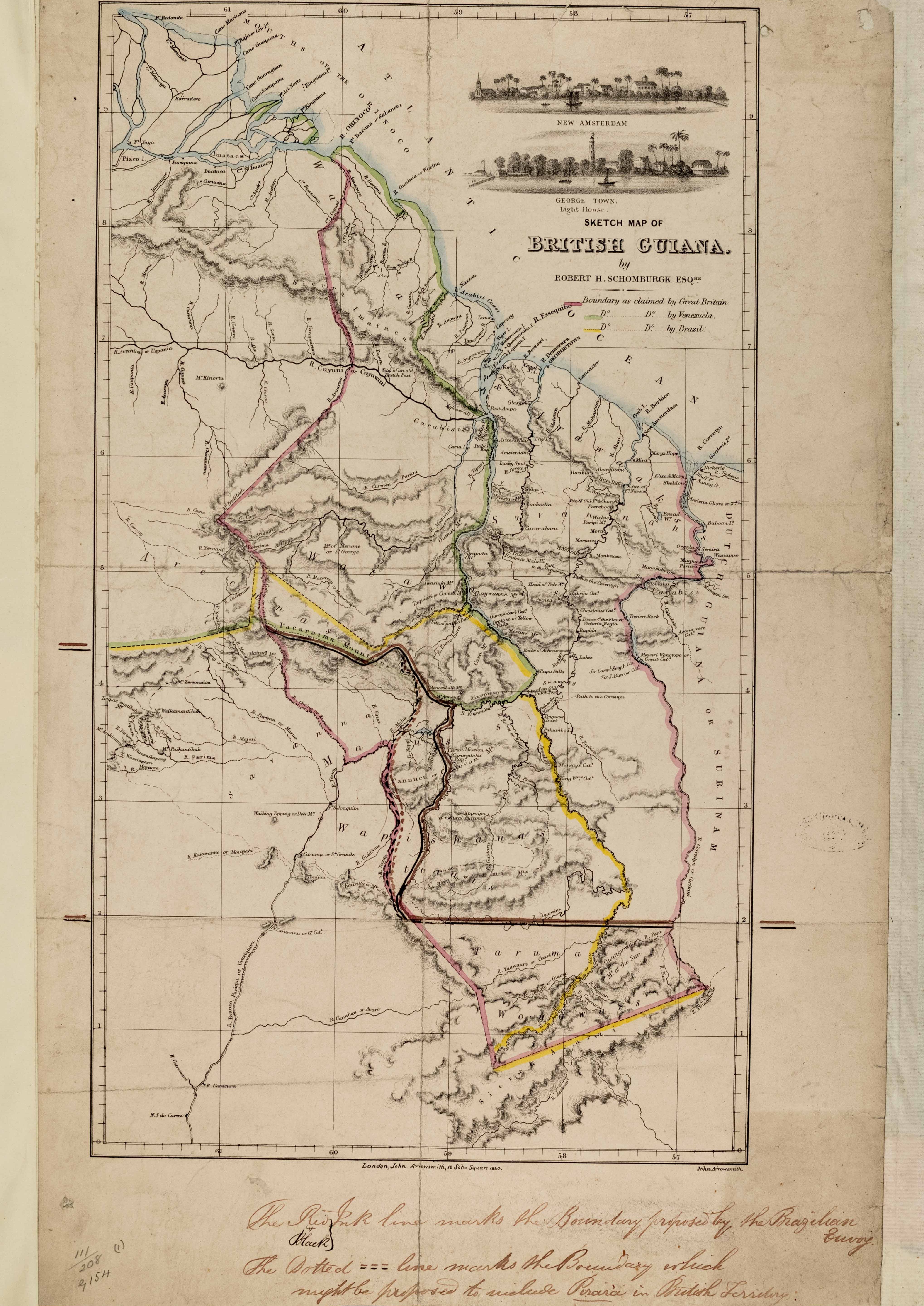
Venezuela disputes Britain's newly established boundary line in British Guiana, known as the Schomburgk Line, which extends west past the Essequibo River and includes the mouth of the Orinoco River. The confusion over where British territory ends originates from the Anglo-Dutch Treaty of 1814, which gave Demerara, Berbice and Essequibo to Britain but did not establish a western border. In 1850, both parties reach an agreement and it is decided that the disputed area will remain uncolonised.
Britain, France, Russia, Prussia and Austria sign the 'Quintuple Treaty', an agreement to suppress the transatlantic slave trade.
Enslaved people on board board the American slaving ship Creole mutiny, overwhelming the crew. Perhaps inspired by the Hermosa they land in the Bahamas, winning their freedom in the most successful uprising of enslaved people in US history.
The West Indian Mail Service is established by the sailing of the first Royal Mail Steam Packet, PS Thames from Falmouth.

In the years 1843, 1853, 1856, and 1864, Bermuda is hit with Yellow Fever epidemics, believed to be brought to the islands via Mosquitoes and visiting ships.
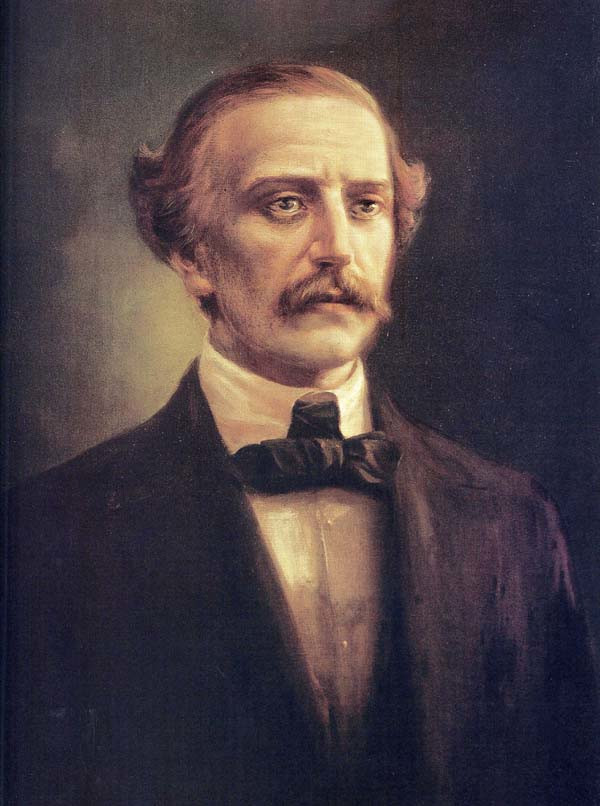
Juan Pablo Duarte leads the Dominican uprising against Haitian rule, resulting in the foundation of the Dominican Republic.
Western Jamaica Connecting Railway is built, running from Kingston to Spanish Town. The railway was proposed by landholder and plantation owners William and David Smith.
The Sugar Duties Act is passed. This act equalised import duties on sugar into Britain, leading to increased foreign competition for sugar plantations in British colonies.
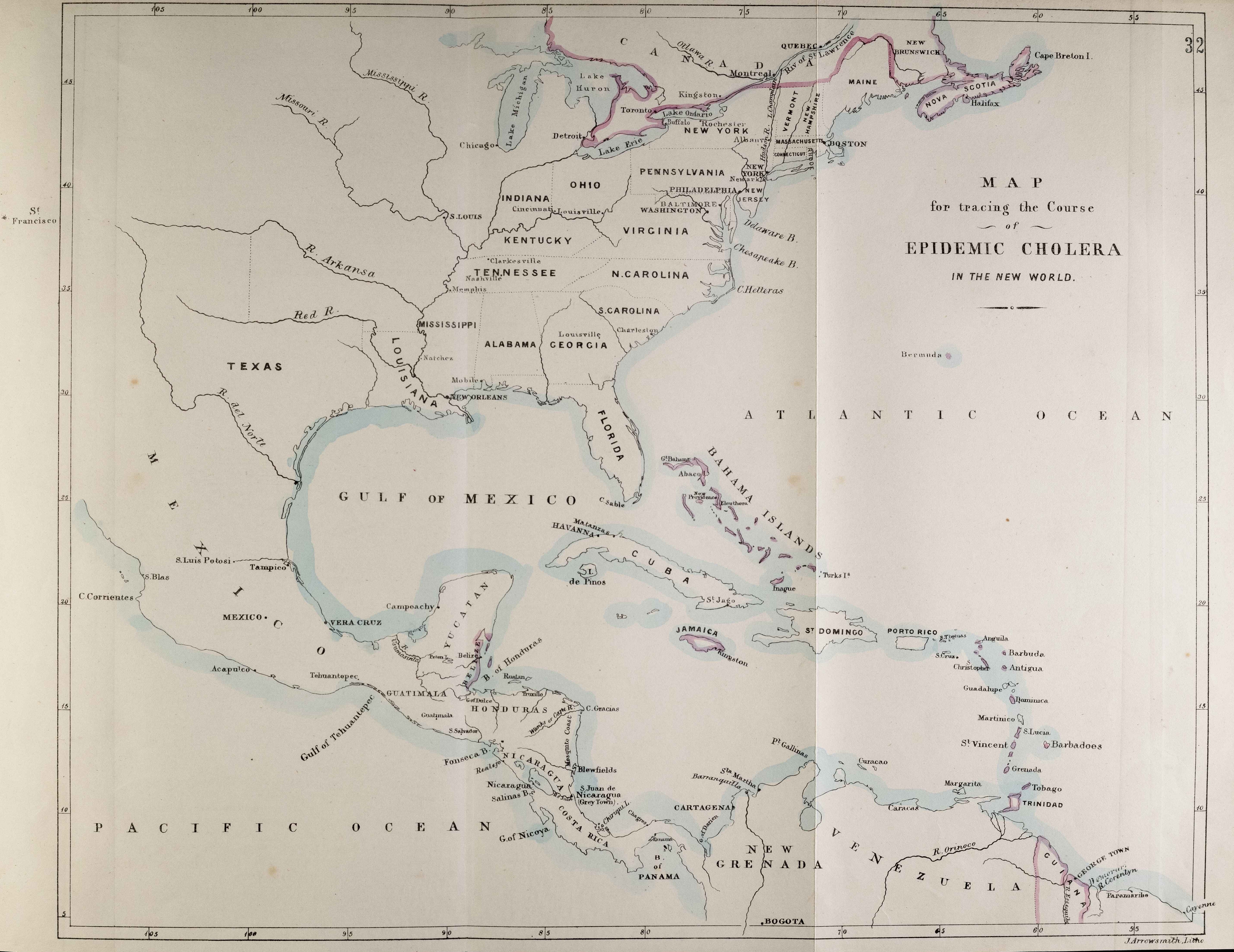
Originating in India, the third cholera pandemic spreads throughout the world, including the West Indies. This outbreak is the deadliest.
The Caste War of Yucatán breaks out, a long war which begins with the revolt of the Maya people in the Yucatán Peninsula against the Hispanic populations, who are in control of the region. Its close proximity to British Honduras means the colony is affected. Initially, the United Kingdom recognise the rebelling Maya people's Chan Santa Cruz Maya as an independent nation, due to trading relations between the Maya and British Honduras. Between 1847-1855, refugees flee to the British Honduras.
Due to insufficient means of communication with the Bahamas, Turks and Caicos breaks away from the colony and requests to be under the control of Jamaica instead. The British government grants this in 1848, and Turks and Caicos are governed by superintendents or council presidents appointed by the governor of Jamaica.
On the instigation of abolitionist Victor Schoelcher, France abolishes slavery for the second time, having previously outlawed the practice between 1794 and 1802.
Britain repeals the Navigation Laws as it moves towards a market of Free Trade throughout its colonies.